
For Maison Margiela, the decision to shift its focus toward China marks more than a geographical move. Under CEO Gaetano Sciuto, the brand is redefining how a fashion house communicates its identity, positioning itself at the center of a broader cultural exchange rather than remaining on the margins of niche influence.

During Shanghai Fashion Week, the house staged its first-ever show outside Paris, a significant milestone since its debut in 1988. Creative director Glenn Martens presented a mix of ready-to-wear and Artisanal pieces, reinforcing the brand’s dual identity rooted in both experimentation and craftsmanship.
This expansion extends beyond the runway. A series of exhibitions across cities such as Shanghai, Beijing, Chengdu, and Shenzhen forms the backbone of this initiative. Each presentation explores a different aspect of the brand’s legacy, from the philosophy of anonymity expressed through masks to the iconic Tabi shoe and the signature Bianchetto technique. These elements trace back to the vision of founder Martin Margiela, whose approach continues to define the house’s DNA.
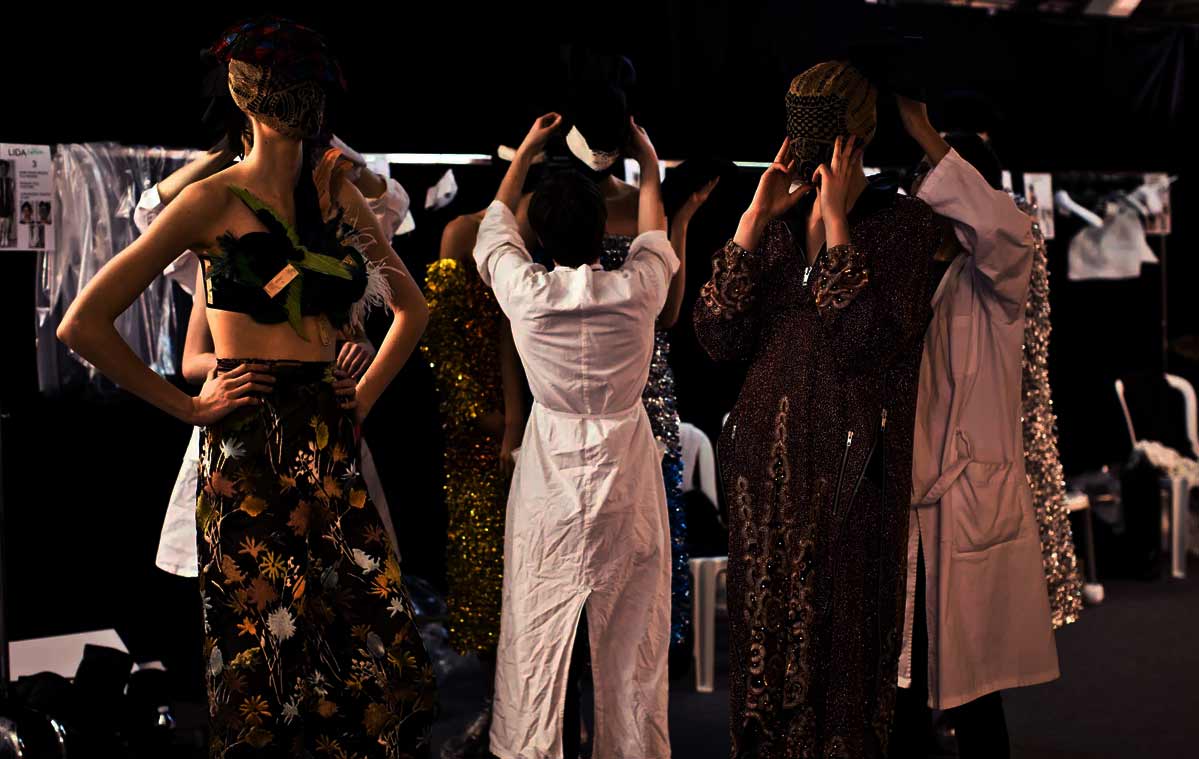
The strategy reflects Sciuto’s ambition to reposition the brand within the global conversation. While Maison Margiela has long been associated with conceptual and countercultural fashion, the current direction aims to expand its reach without diluting its core values. Transparency plays a key role in this shift. Initiatives such as the digital “Margiela Folders” open access to the creative process, offering insight into the development of collections and exhibitions.
China represents a crucial growth opportunity. Since entering the market in 2019, the brand has built a presence through retail and fragrance, though its potential remains largely untapped. Sciuto sees this as a moment to reshape perception, similar to the impact of flagship expansions in other regions.
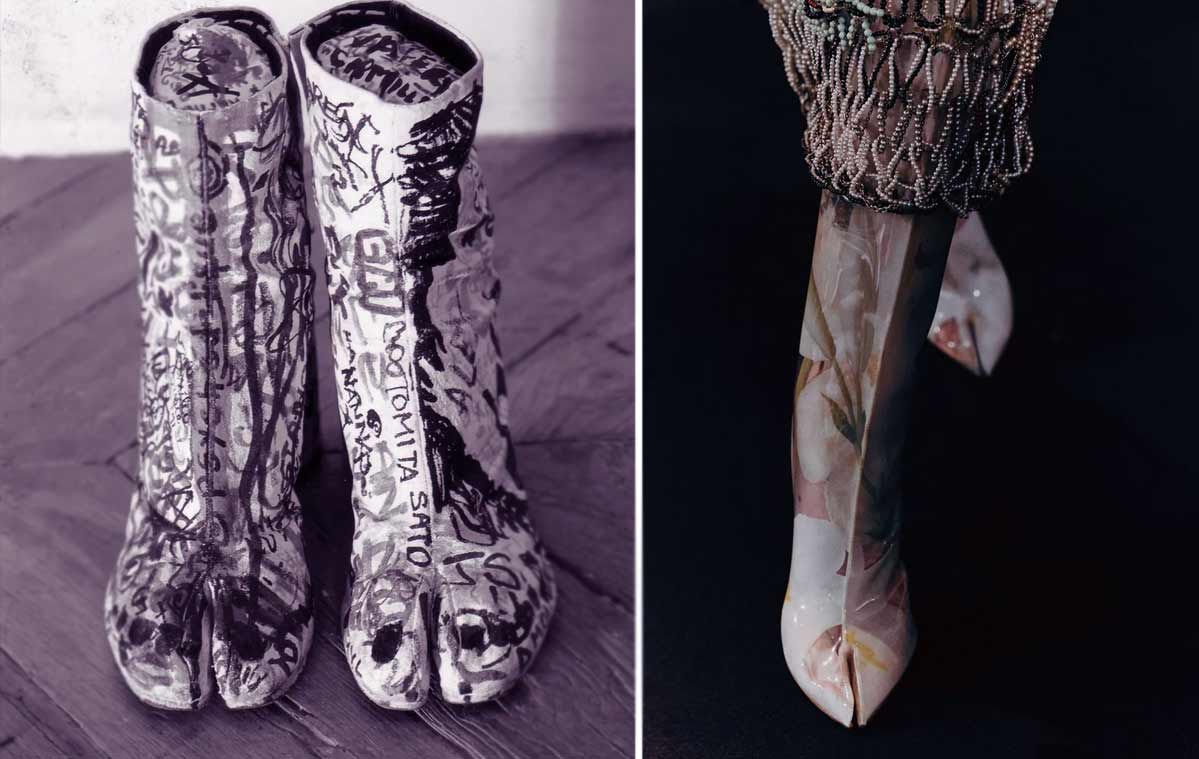
At the product level, iconic items such as the Tabi shoe continue to drive visibility, while Martens introduces a more defined approach to gender and silhouette. Dresses and skirts are gaining importance within ready-to-wear, while the Artisanal line re-engages with couture clients. This balance between heritage and evolution defines the current phase of the house.
The broader business structure also supports this growth. The MM6 line contributes to accessibility and commercial reach, while maintaining a distinct narrative. Together, these layers create multiple entry points into the Maison Margiela universe.
Ultimately, the move into China is not just about market expansion. It represents an effort to translate the brand’s unconventional philosophy into a new cultural context. By combining exhibitions, runway presentations, and open communication, Maison Margiela positions itself as both a fashion house and a platform for dialogue.