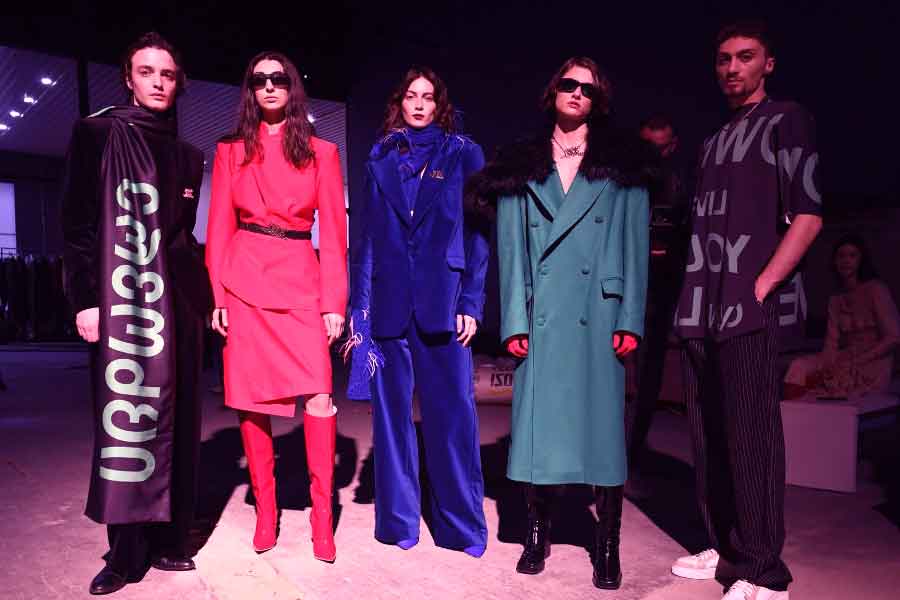
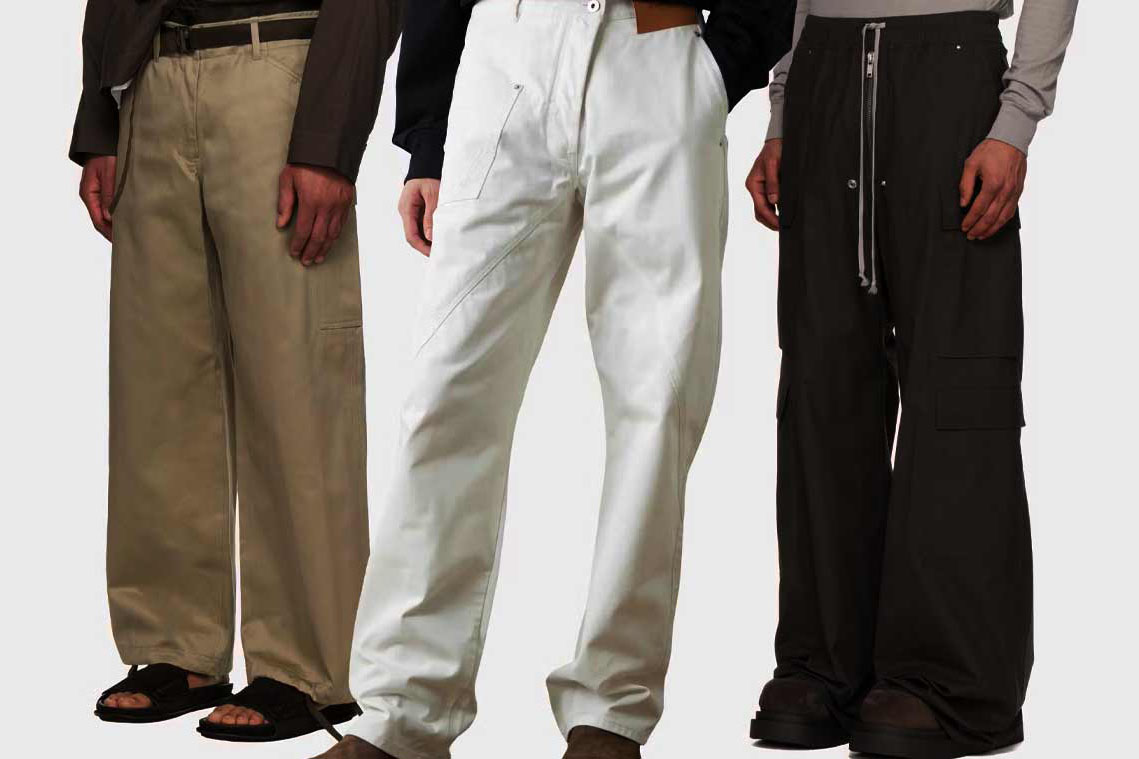
In a period defined by environmental urgency, Tbilisi Fashion Forum 2024 – held as part of the city’s annual Fashion Week program last month – arrived with an ambitious goal: to shift sustainable fashion from a peripheral idea into a core business strategy for the regional industry.
The event was positioned as more than a standard industry conference. It marked a broader effort to redefine Tbilisi as an emerging creative hub, where design, production, and sustainability intersect. Under the guiding theme “Building a Sustainable Fashion Economy,” the forum emphasized practical transformation rather than abstract discussion.
Opening remarks from local industry representatives highlighted Georgia’s strategic position between Europe and Asia, framing sustainability not only as an ethical responsibility but also as a potential driver of long-term competitiveness for the country’s growing fashion sector.
The international conference program brought together more than twenty speakers, including designers, technologists, and supply chain experts. Discussions moved beyond surface-level environmental messaging, focusing instead on structural challenges such as material sourcing, production transparency, and scalable circular systems.
A key focus of the forum was the role of technology in enabling sustainable transformation. Artificial intelligence, digital product development, and traceability systems were all examined as tools that could reshape how fashion is designed, manufactured, and distributed across global networks.
Equally important was the recognition that Georgia’s fashion ecosystem cannot evolve in isolation. With production chains increasingly connected across the wider region, collaboration between local manufacturers, textile producers, and international partners is essential to building a functioning sustainability framework. This interconnected approach reflects a broader shift toward regional integration in fashion supply systems.
Italy was highlighted as a strategic partner country during the event, with guest speakers presenting case studies on innovation in textile production and environmentally responsible manufacturing practices. These exchanges underscored the importance of cross-border knowledge sharing in advancing sustainable methods.
One of the most notable elements of the forum was its focus on emerging designers. A dedicated pop-up showcase featured collections from young Georgian labels exploring upcycling, low-impact materials, and experimental production techniques. This initiative aimed to demonstrate that sustainability and commercial viability can coexist within the same creative framework.
The inclusion of a retail-oriented component signaled a deliberate attempt to move sustainability out of the theoretical space and into consumer reality. By presenting sustainable collections in a commercial environment, organizers sought to test market response and encourage broader adoption of responsible fashion choices.
However, as with many sustainability-focused initiatives, questions remain about long-term impact. Critics often point out that industry conferences can risk becoming symbolic rather than transformative, raising concerns about whether discussion is translating into measurable change across production systems.
Despite these challenges, the overall tone of the forum reflected cautious optimism. Industry voices emphasized that meaningful progress requires continuous collaboration between policymakers, brands, manufacturers, and educational institutions.
As one Georgian industry representative noted, the country’s unique geographic and cultural position offers an opportunity to act as a connector between different fashion ecosystems. Leveraging this position effectively could allow Tbilisi to contribute meaningfully to global sustainability efforts in fashion.
Ultimately, Tbilisi Fashion Forum 2024 highlighted both the complexity and urgency of transformation within the industry. While challenges remain significant, the event demonstrated a growing willingness to engage with sustainability not as a trend, but as a foundational shift in how fashion operates.