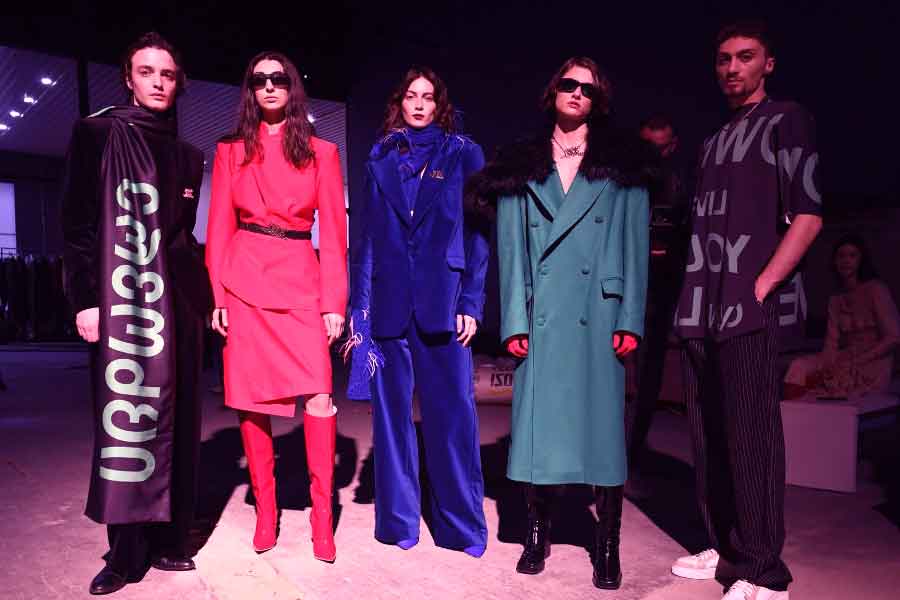
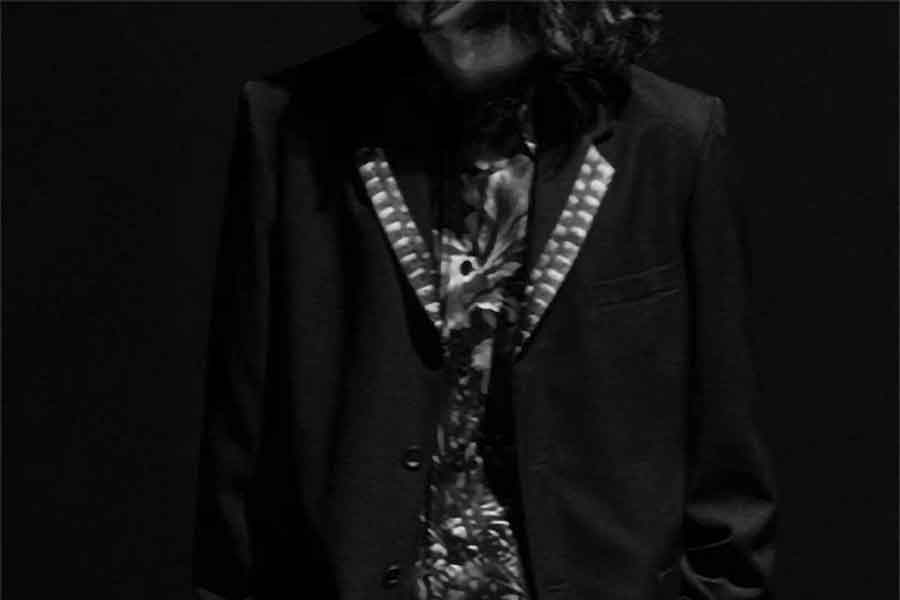
At Tbilisi Fashion Week, Georgian label Galiob presented a collection that questioned conventional ideas of structure and elegance through a process of controlled deconstruction.
Known for its intellectual approach to tailoring, the brand once again explored how familiar garments can be reassembled into new, freer silhouettes.
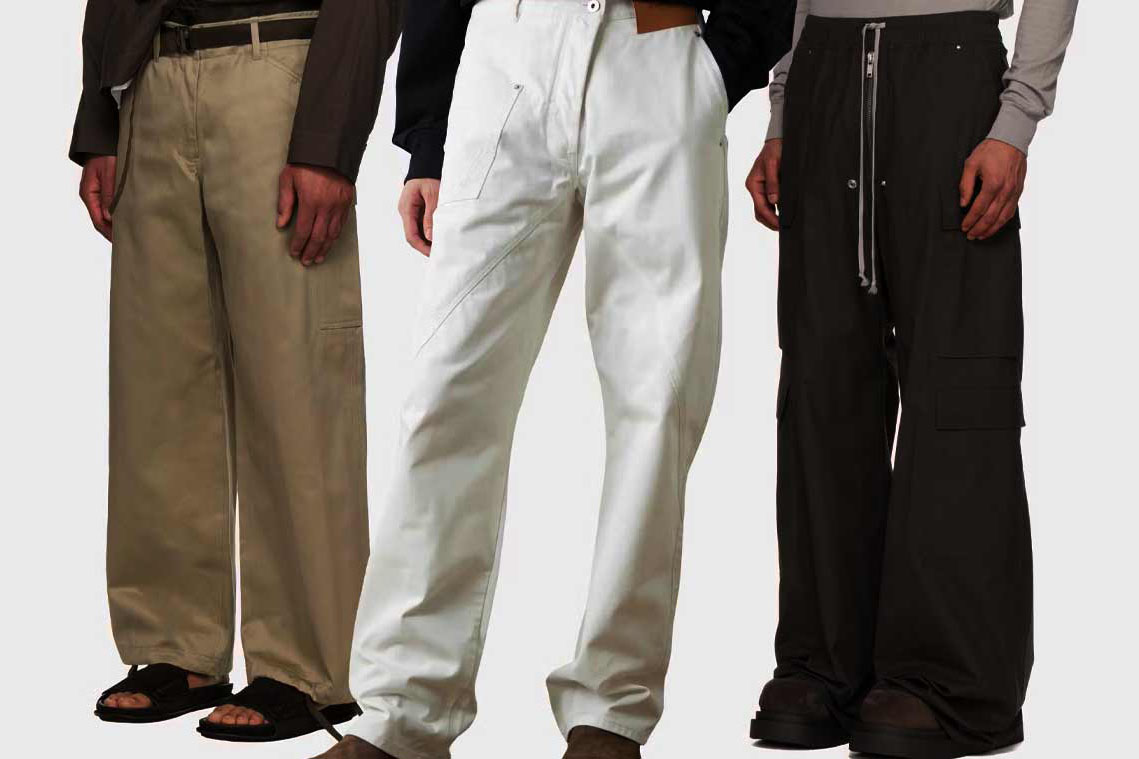
The collection focused on the idea of “recomposition”, where traditional wardrobe elements are broken down and rebuilt in unexpected ways. Military-inspired shirts were paired with fluid skirts, while structured tailoring was softened through asymmetric construction and disrupted proportions.
Designers emphasized the notion of freedom through clothing, where garments are allowed to shift, overlap, and exist in multiple interpretations depending on how they are worn. This approach challenged the idea of fixed silhouettes and encouraged a more flexible relationship between body and fabric.
Uniform references appeared throughout the collection but were deliberately altered. Pocket placements were exaggerated or rendered non-functional, while classic utilitarian forms were reimagined in lighter materials and softer constructions, reducing their original rigidity.
Evening elements were introduced through unexpected pairings, such as formal gloves combined with deconstructed outerwear or evening-inspired fabrics placed within everyday silhouettes. This contrast created a tension between discipline and ease.
According to the design team, the collection reflects an “anti-structured” approach, where clothing is not intended to shape the body in a fixed way but to exist around it, allowing space for movement and reinterpretation.
The overall aesthetic aimed to propose a new form of elegance – one that is not defined by strict formality, but by adaptability and the ability of garments to change meaning depending on context and styling.
In contrast, Georgian label Dalood presented a collection centered on color, texture, and emotional expression. Known for its feminine silhouettes and contemporary romanticism, the brand embraced a more joyful and saturated visual direction this season.
The collection featured soft tailoring, airy dresses, and layered separates in vibrant tones that shifted between warm pastels and bold saturated hues. The use of color was not decorative but structural, shaping the mood and rhythm of the collection.
Silhouettes remained fluid and wearable, with balloon-like volumes, tiered constructions, and lightweight fabrics that created movement with the body. Sheer layers and soft knits added depth without compromising ease.
Accessories played a central role, particularly sculptural handbags and textured details that echoed floral and organic motifs found throughout the garments. These elements reinforced the brand’s focus on expressive but controlled ornamentation.
Dalood described the collection as a study in “nonchalant elegance”, where complex construction techniques are hidden behind simple, intuitive gestures. The emphasis was placed on how garments feel rather than how they appear in isolation.
Together, the two Georgian presentations highlighted contrasting approaches within the same creative ecosystem – one grounded in deconstruction and conceptual restraint, the other in color-driven emotion and softness.
Both collections, however, shared a common focus on redefining modern elegance through local perspective, positioning Georgian fashion as an active participant in broader international design conversations.