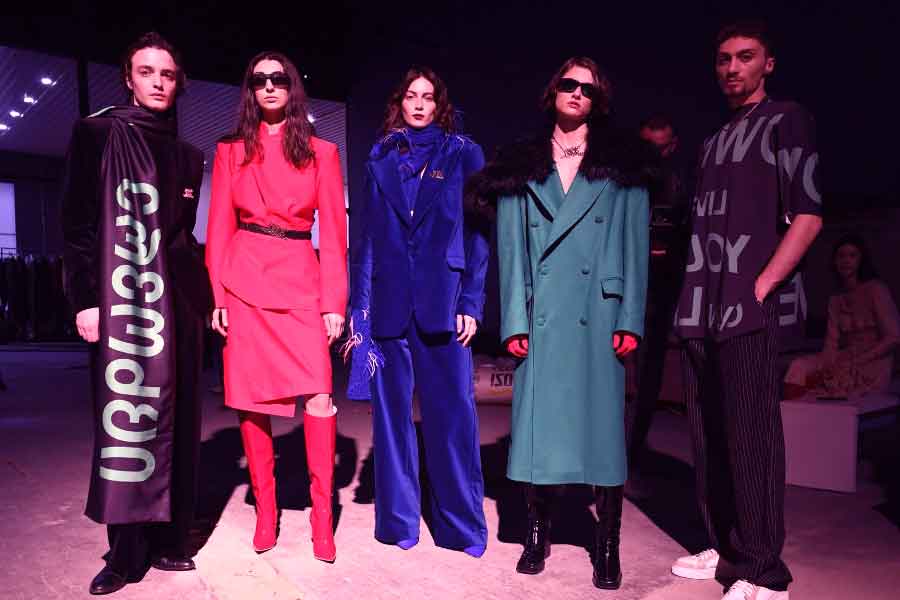
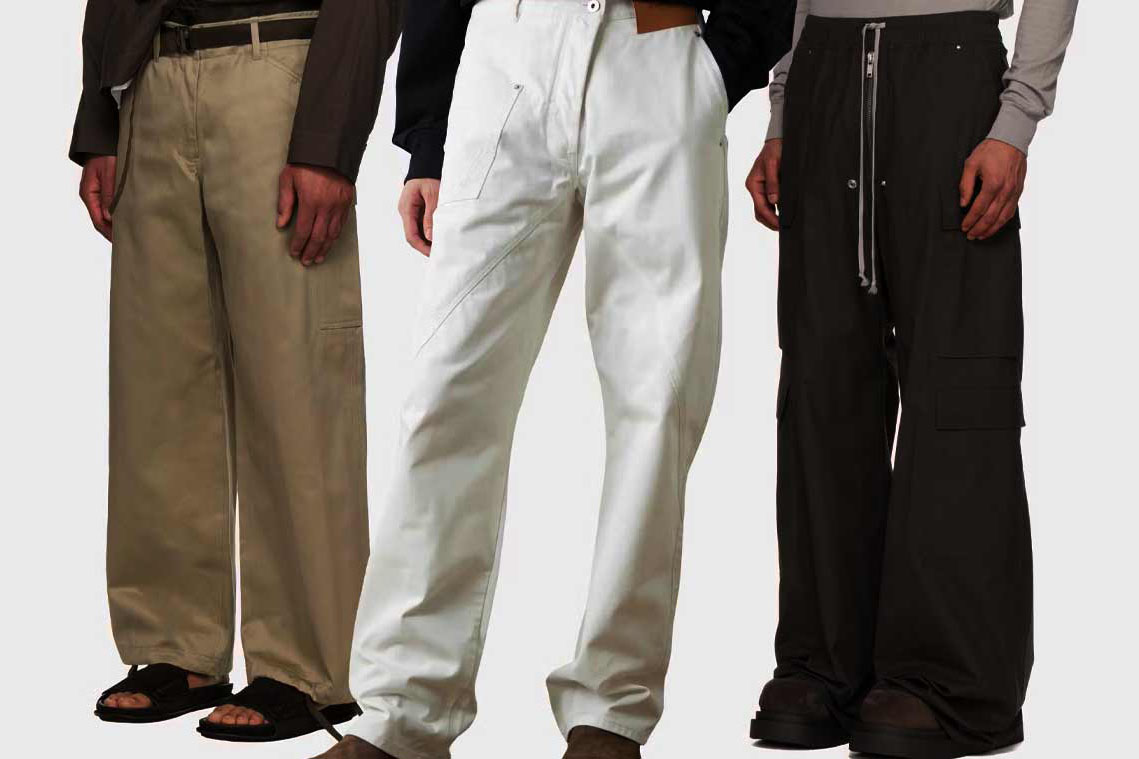
In Georgia’s emerging performance and lifestyle sector, one independent sportswear label has been steadily building a reputation for balancing technical innovation with a strong sense of local identity.
Founded in the early 2000s as a small footwear workshop, the brand has gradually evolved into a regional player known for its focus on durability, functional design, and community-driven growth.
More than just a product company, it positions itself as a long-term cultural project – one that connects sport, craftsmanship, and everyday movement. Its philosophy is centered on the idea that performance wear should not only serve athletes, but also support broader communities through accessible design and responsible production.
A culture of collaboration and long-term thinking sits at the core of the organization. Internally, teams operate across design, production, retail, and logistics under a unified structure that prioritizes transparency and shared responsibility. Employees are encouraged to develop cross-functional skills, moving between departments to better understand the full lifecycle of a product.
The working environment is designed to balance structure with flexibility. While production and operational teams remain closely connected to physical manufacturing sites, creative and corporate teams often work in hybrid formats that support both focused development and collaborative exchange.
Rather than focusing on short-term seasonal cycles, the company takes a gradual approach to growth. Investments are directed toward material research, local manufacturing capabilities, and long-term partnerships with regional suppliers and artisans. This strategy reflects a broader commitment to stability over rapid expansion.
Career opportunities span multiple disciplines, offering entry points for individuals with different backgrounds and skill sets. Design teams focus on product development and material experimentation, while production departments oversee craftsmanship and technical execution. Other functions support the ecosystem through logistics, retail operations, and digital infrastructure.
Marketing and communication roles emphasize storytelling rooted in sport and everyday life, often highlighting real communities rather than abstract campaigns. This approach reinforces the brand’s emphasis on authenticity and grounded cultural relevance.
Retail teams act as direct representatives of the brand, engaging with customers across physical locations and regional partnerships. Their role extends beyond sales, functioning as a bridge between product development and consumer feedback.
Technology and digital teams play an increasingly important role in shaping customer experience, from e-commerce platforms to inventory systems and data-driven product planning. This integration supports the company’s goal of aligning operational efficiency with user accessibility.
Employee development is supported through internal training programs, mentorship structures, and informal knowledge-sharing networks. The organization encourages continuous learning, allowing individuals to grow within their roles while exploring new areas of expertise.
Community engagement is another key pillar of the brand’s identity. Through local initiatives, sports programs, and youth-oriented projects, the company invests in strengthening the environments where it operates. These efforts are designed to create long-term social value rather than short-term visibility.
Volunteering and local participation are actively encouraged among employees, reinforcing the idea that the brand’s impact extends beyond product creation. This approach helps build stronger ties between the company and the communities it serves.
Ultimately, working within the organization means contributing to a broader vision that connects sport, craft, and social responsibility. It offers professionals an environment where technical expertise and cultural awareness are developed in parallel.
By combining performance-driven design with a strong sense of place, the brand continues to position itself as part of a growing movement in Georgia – one where sport is not only about competition, but also about culture, identity, and collective progress.