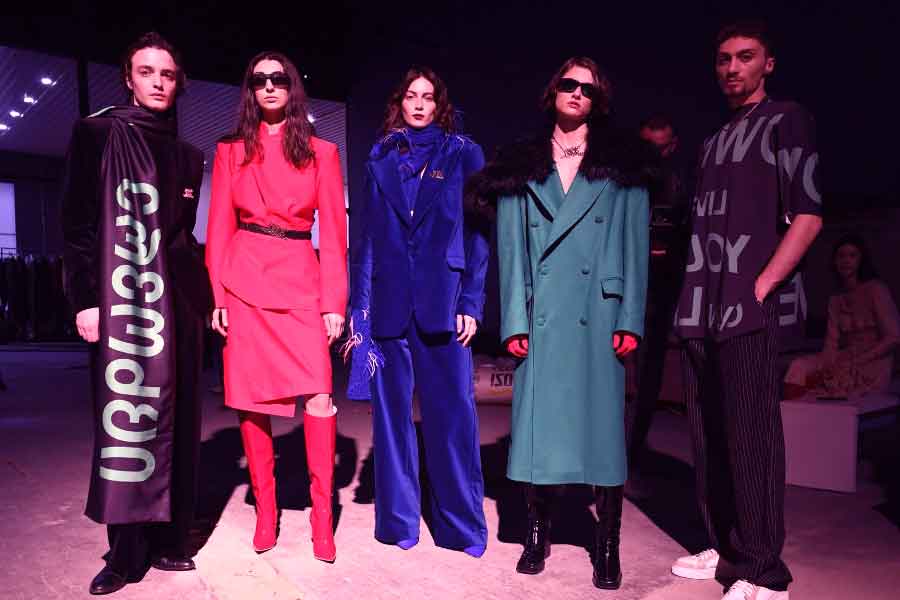
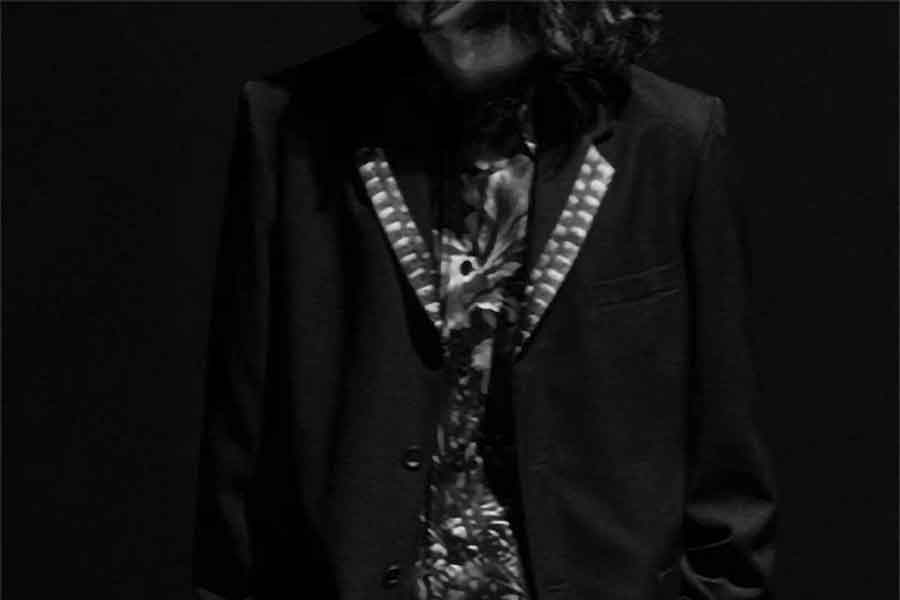
At a recent industry presentation in Georgia, independent label Natacha Abashidze Studio unveiled a new collection developed through an immersive research journey across the country.
Following its earlier showings abroad, the brand introduced a new working methodology titled “Open Field” – a chapter that expands the design process beyond the studio environment.
The concept was presented for the first time in Tbilisi through a combined exhibition and presentation format, offering insight into both the garments and the contextual research behind them. The label, known for its restrained silhouettes and textile sensitivity, used this season to shift its focus toward place-based design development.
For this project, the design team temporarily left its Tbilisi workspace and traveled across different regions of Georgia to observe everyday life, materials, and environments. Rather than focusing on symbolic representation, the study emphasized direct visual and tactile observation of local surroundings.
The team documented surfaces, objects, and color impressions found in urban and rural contexts – from weathered stone walls and painted metal doors to natural landscapes and domestic interiors. These fragments were translated into a coherent palette that informed the seasonal direction of the collection.
The resulting color range combined muted earth tones, faded blues, deep graphite shades, and warm mineral neutrals. Instead of functioning as decorative references, these tones were treated as structural components of the garments’ visual identity.
Local environments and the experience of movement through them became central to the design process. The journey itself was considered part of the creative output, influencing proportions, layering systems, and the functional behavior of garments.
One of the key pieces introduced was an asymmetric utility vest with modular compartments, designed to adapt to different carrying needs during travel and work. The garment emphasized flexibility, with adjustable elements that allowed it to shift between practical and sculptural forms.
Additional looks included oversized outerwear with transformable construction, allowing coats to be reconfigured through concealed fastening systems. Several garments were designed to change silhouette depending on how they were worn, reinforcing the idea of adaptability as a core design principle.
The collection also incorporated lightweight layered pieces intended for transitional environments, reflecting the shifting conditions of travel across regions. These garments prioritized movement and breathability while maintaining a structured visual presence.
“Open Field” is intended to remain an ongoing framework for Natacha Abashidze Studio, allowing the design team to continue exploring different locations in future seasons. Each new destination will serve as both research site and creative environment, shaping subsequent collections.
Alongside the garments, the presentation included a curated selection of objects, material samples, and field documentation. This approach emphasized process transparency, offering a closer look at how environmental observation translates into garment construction.
Rather than treating geography as a backdrop, the studio positions it as an active design tool. The collection reflects how movement through space can generate form, texture, and structure within clothing design.
With this new chapter, Natacha Abashidze Studio continues to develop a methodology rooted in direct engagement with place, where design emerges from observation, translation, and transformation rather than fixed inspiration sources.