Even the most practical pair of workwear trousers deserves a moment off duty, and Georgian designers are starting to explore exactly what that looks like.
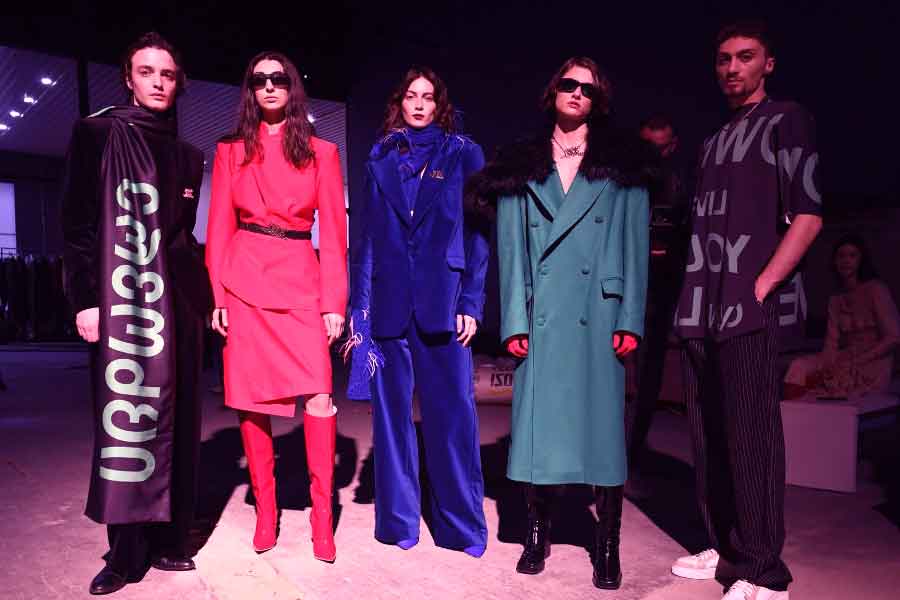
For years, workwear has been defined by durability, structure, and a certain no nonsense attitude. But brands like Situationist, Materiel, Dalood, Anouki, and Mach & Mach are quietly reshaping that narrative, introducing pieces that blur the line between function and leisure.
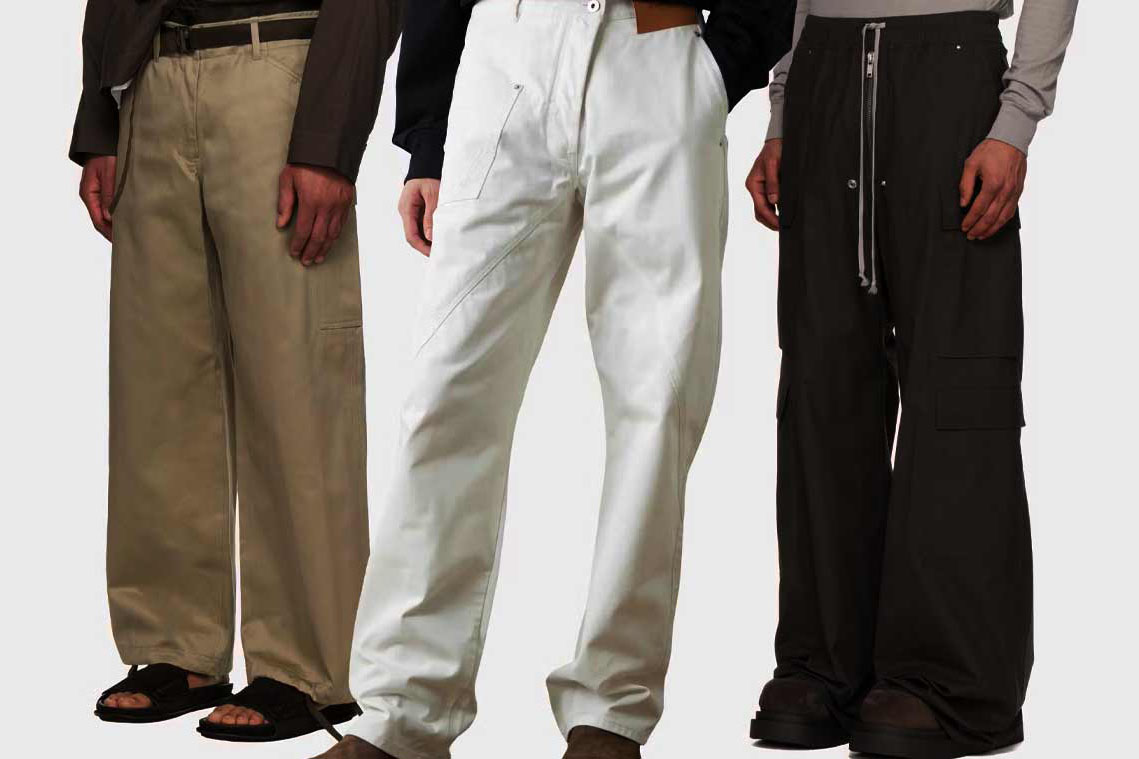
Instead of rigid fabrics and heavy silhouettes, these Georgian labels are experimenting with softer textures and more relaxed forms. Think fluid trousers in light materials, subtle pleats, and colors that feel more suited to a coastal escape than a city job site.
Situationist approaches this shift with restraint. Its take on relaxed tailoring keeps the signature wide leg silhouette, but softens the overall impression through lighter fabrics and muted tones. The result feels polished, yet undeniably effortless.
Materiel leans further into transformation. Known for its architectural cuts, the brand introduces movement and air into its designs, allowing garments to flow rather than hold strict shape. Workwear becomes less about structure and more about rhythm.
Dalood adds a conceptual layer to the idea. Its pieces often carry a sense of quiet rebellion, challenging expectations of what practical clothing should look like. In this context, relaxed trousers are not just comfortable, they are a statement against uniformity.
Anouki brings a sense of play into the equation. Soft pastels, unexpected details, and an easygoing attitude redefine what everyday clothing can feel like. These are pieces designed not for labor, but for living.
Meanwhile, Mach & Mach translates the concept into something more elevated. Even the most relaxed silhouettes carry a hint of glamour, proving that comfort does not have to come at the expense of visual impact.
Across these collections, one thing becomes clear: Georgian fashion is embracing the idea that clothing can exist beyond its original purpose. Workwear no longer needs to signal productivity at all times. It can step away, slow down, and simply exist.
The shift also reflects a broader cultural moment. As boundaries between work and leisure continue to blur, people are seeking garments that adapt to both states. Clothes that feel just as appropriate for a casual afternoon as they do for a more structured environment.
In this sense, Georgian designers are not just following a trend, they are refining it. By combining practicality with ease, they are creating a new kind of wardrobe, one that values comfort, identity, and expression equally.
Because sometimes, the hardest working clothes are the ones that know when to stop working altogether.