Who would have thought that materials once meant for furniture could find a second life as some of the most interesting pieces in Georgian fashion today.
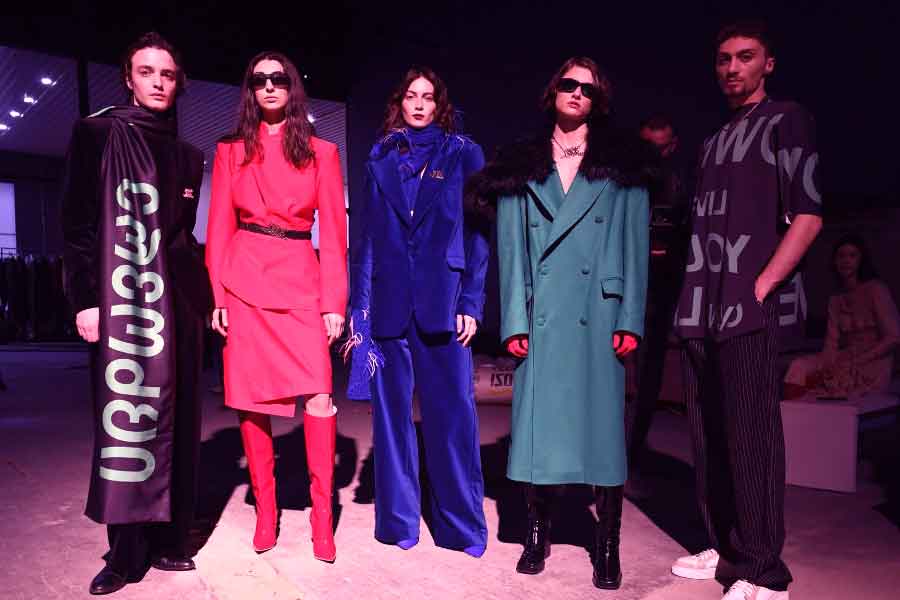
Across Tbilisi’s evolving design scene, experimentation with textiles is becoming more visible. Brands like Situationist, Materiel, Dalood, Anouki, and Mach & Mach are increasingly looking beyond traditional fashion fabrics, exploring materials that were never originally intended for clothing.
Much like in global design circles, the appeal lies in texture. Upholstery fabrics, with their dense structure and durability, offer a visual and tactile depth that standard textiles often lack. When reimagined as garments, they introduce a new dimension to familiar silhouettes.
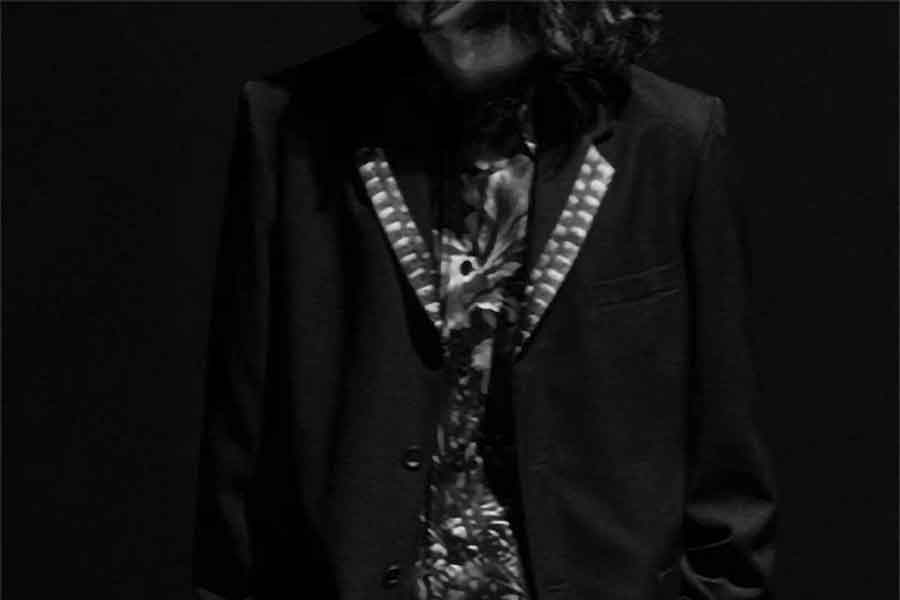
Situationist approaches this idea with subtle precision. Rather than fully committing to heavy materials, the brand incorporates structured fabrics into tailored pieces, allowing the texture to enhance the form without overwhelming it. The result feels controlled yet distinctive.
Materiel takes a more expressive route. Known for its sculptural designs, the brand uses unconventional textiles to emphasize volume and shape. Thick, almost architectural fabrics become part of the garment’s identity, turning clothing into something closer to wearable design objects.
Dalood, with its conceptual perspective, embraces the contrast between function and reinterpretation. Materials originally created for durability are transformed into pieces that feel introspective and artistic, challenging expectations of what clothing should be.
Anouki introduces a lighter, more playful interpretation. Even when using heavier fabrics, the brand balances them with soft colors and approachable silhouettes, making the pieces feel less rigid and more adaptable to everyday wear.
Mach & Mach, known for its bold and glamorous aesthetic, uses texture to amplify visual impact. Structured fabrics, when combined with signature detailing, create garments that stand out not only for their design but also for their unexpected materiality.
This shift toward unconventional textiles reflects a broader curiosity within Georgian fashion. Designers are no longer confined to traditional boundaries, instead treating materials as open possibilities rather than fixed categories.
It also speaks to a growing appreciation for craftsmanship. Fabrics designed for interiors are built to last, and when applied to clothing, they bring with them a sense of durability and substance that aligns with a more thoughtful approach to fashion.
In the end, what began as an experiment becomes a statement. Georgian designers are proving that inspiration can come from anywhere, even from the fabrics beneath us, and that the line between design disciplines is far more flexible than it once seemed.