A friend recently bought a jacket from ssstein. Made from European linen and woven in Bishu, Japan, it was treated with hand-applied distressing and multiple finishing techniques to create a worn, textured look. The anticipation was high as the piece made its way from Sportivo to Vancouver.
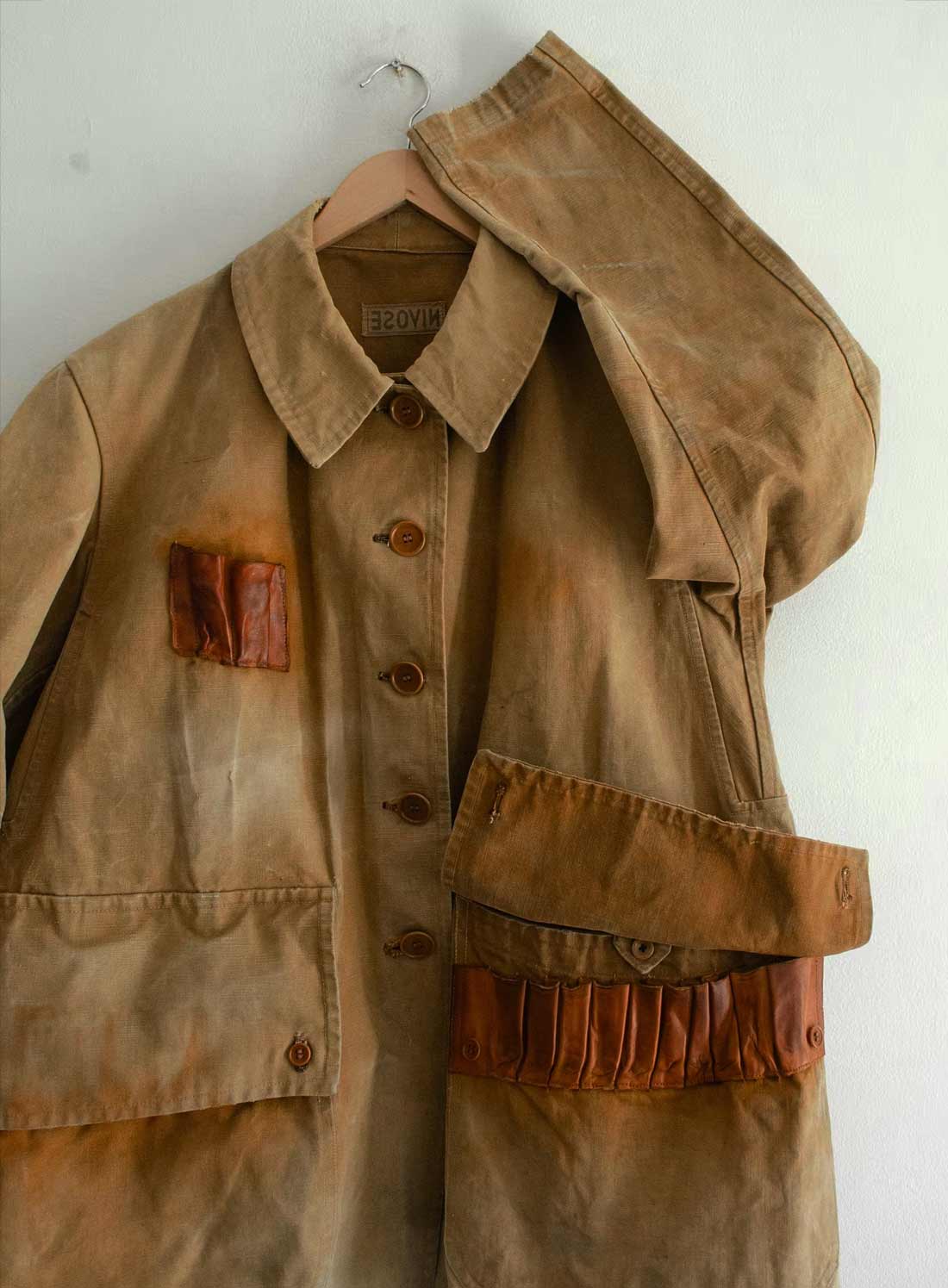
The reaction, however, was unexpected. The jacket arrived marked with irregular red stains that looked almost like blood. At around $500 on sale, it felt less like a design choice and more like an accident. The unpredictability echoed vintage shopping, where garments carry unknown histories, but here it was artificially recreated, with mixed results.
This moment highlights a broader shift. Distressed luxury, sometimes dismissed as “poverty chic,” has spread across fashion. Brands like Enfants Riches Déprimés, Balenciaga, and Gallery Department have built entire aesthetics around pre-worn clothing. The look now stretches far beyond streetwear, connecting labels as different as Valentino, Louis Vuitton, Auralee, and Unlikely Dry Goods.
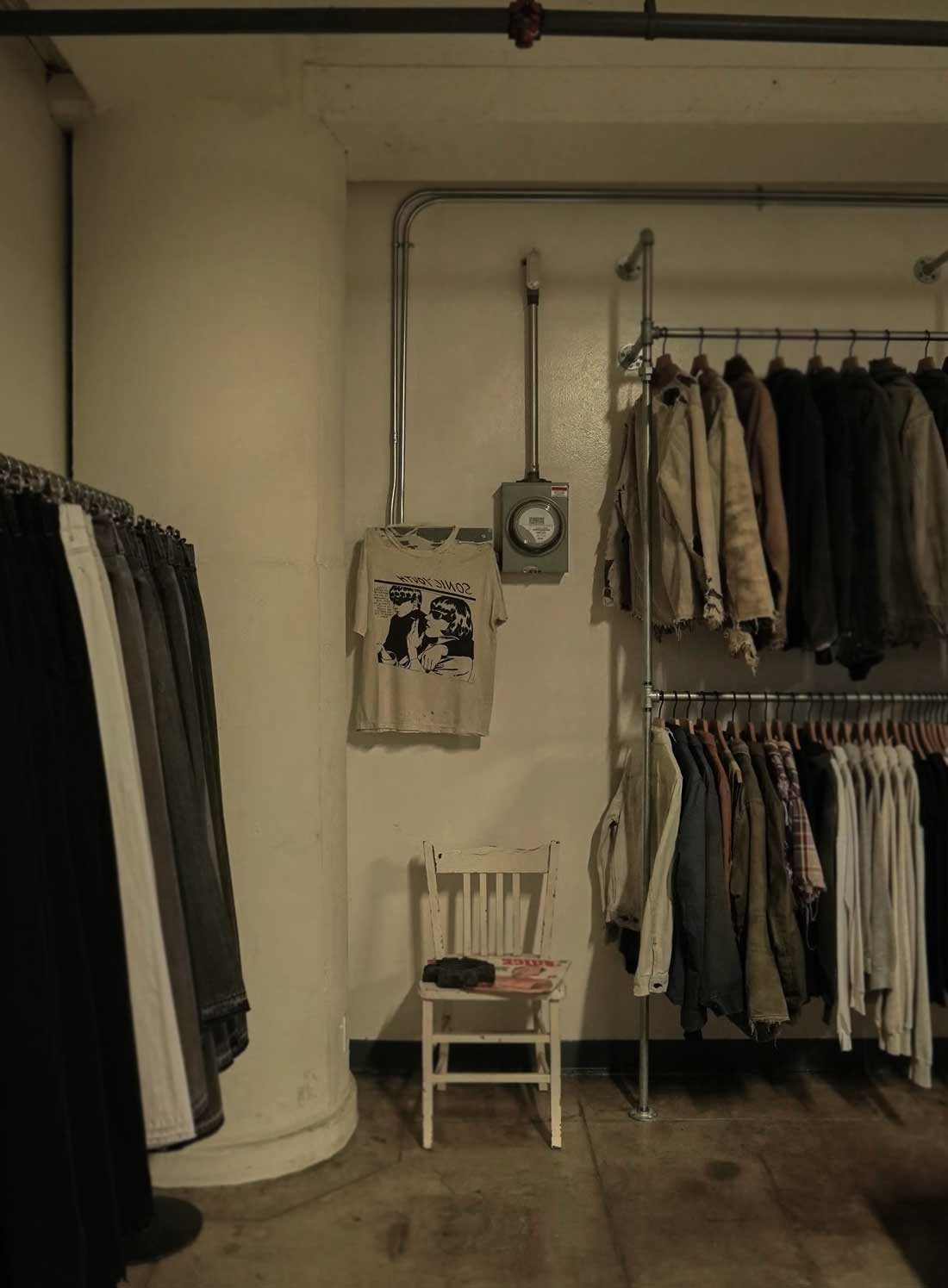
Once a radical idea, wear and tear has become a premium feature. The challenge is making new garments feel genuinely lived-in rather than artificially aged. That’s where vintage dealers come in.
Across Japan, France, the US, and Korea, a network of specialists focuses on clothing that shows real signs of life: fading, repairs, stains, and structural wear. Shops like SWIMMERS curate pieces that feel authentic precisely because their imperfections are unforced.
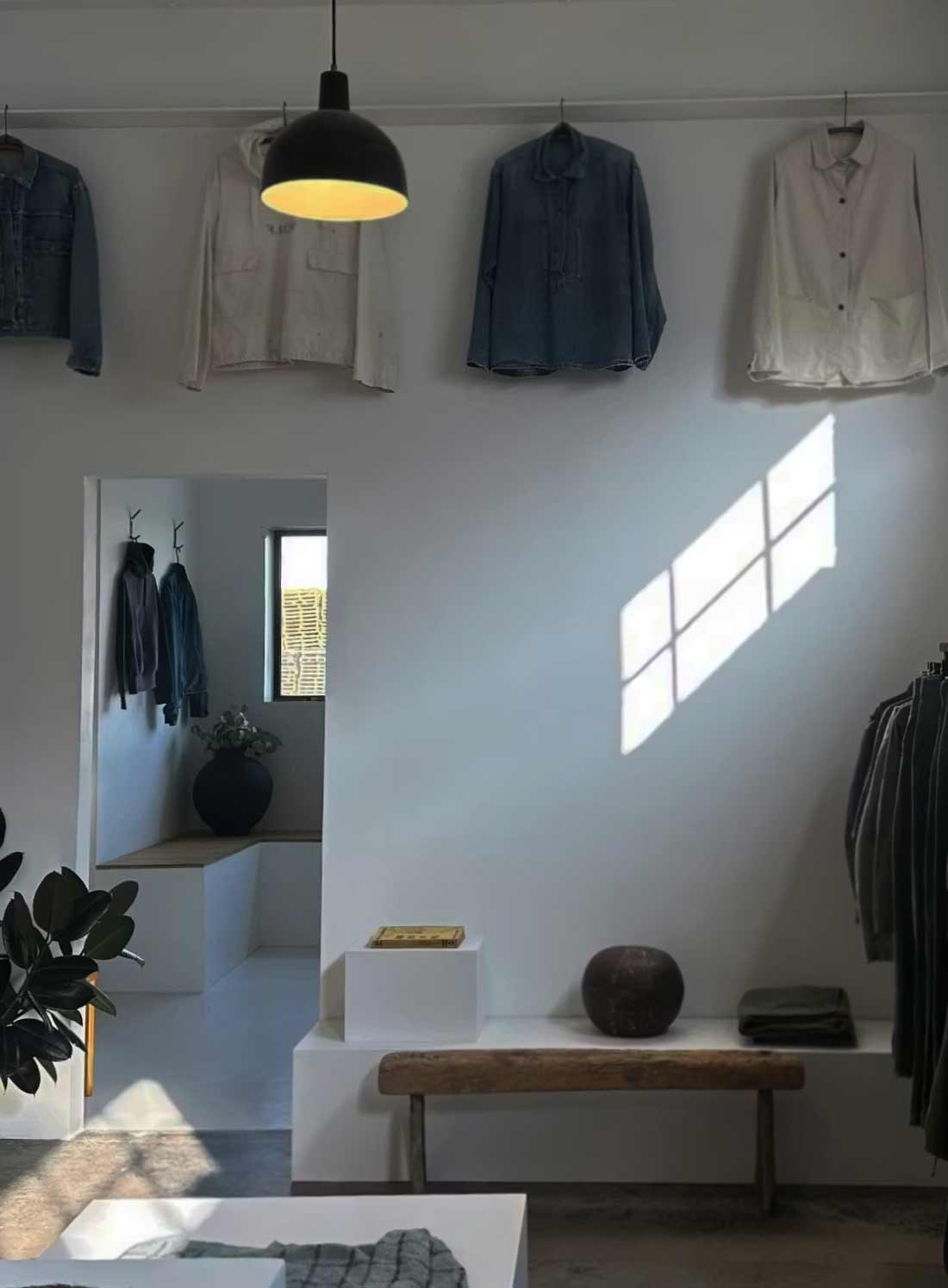
In Tokyo, Sinot, founded by Kenta Kimura and Naofumi Noguchi, takes this idea further. Their philosophy treats vintage garments not as old clothes, but as physical records of time. Every stain, tear, and repair becomes evidence of a life once lived.
Their collections include pieces like 1930s French hunting coats, 1940s US Navy smocks, and 1960s Swedish motorcycle jackets, all marked by decades of wear. These items cannot be replicated, not because of technical limits, but because their history is accidental and unrepeatable.
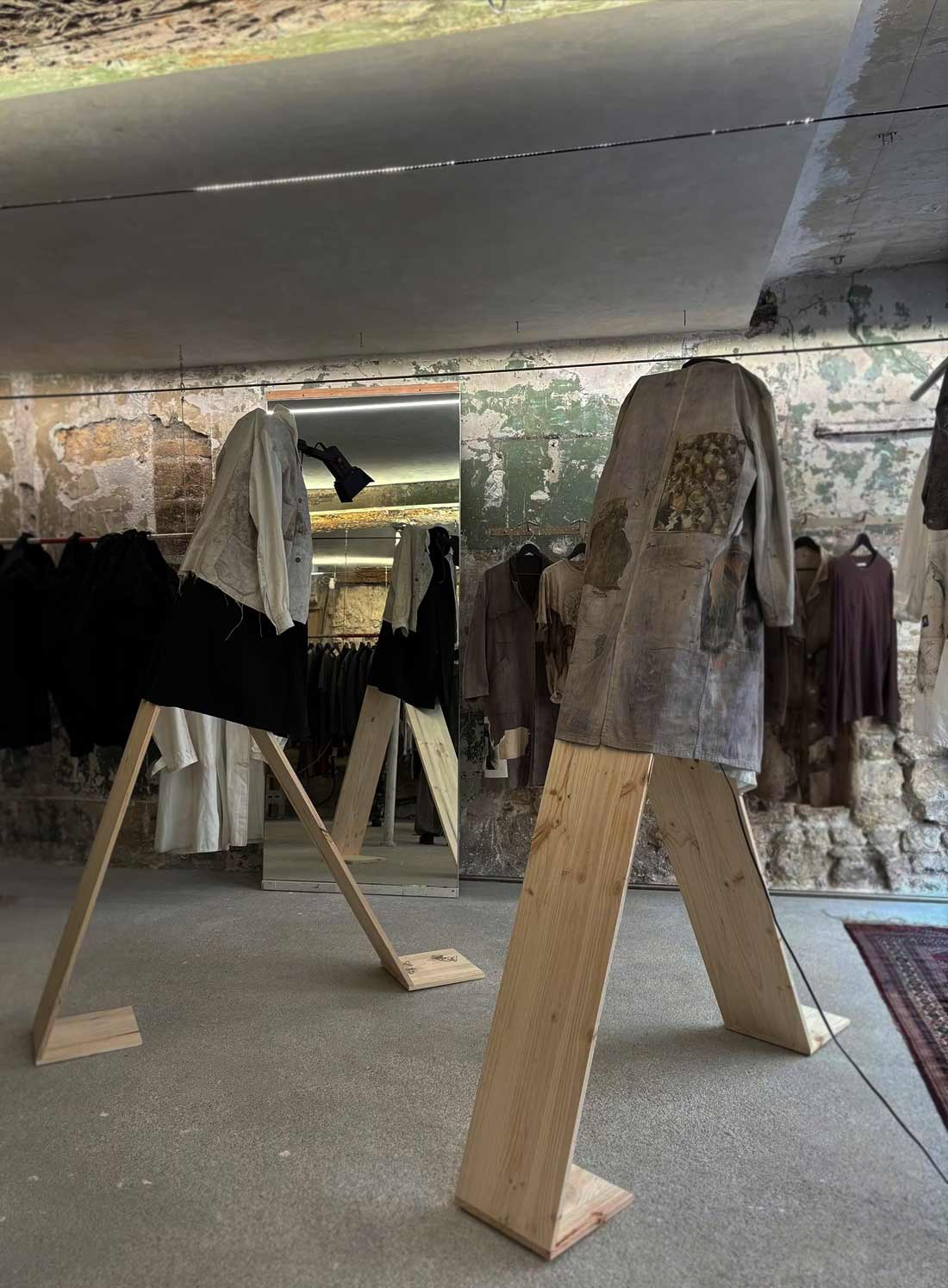
Some sellers argue that new garments can approximate this effect. Dealers like Tristan Ferguson of Remnants and Connor Gressitt work directly with brands, supplying original pieces as references. Labels such as Acne Studios and Enfants Riches Déprimés rely on these garments to study wear patterns and replicate them as closely as possible.
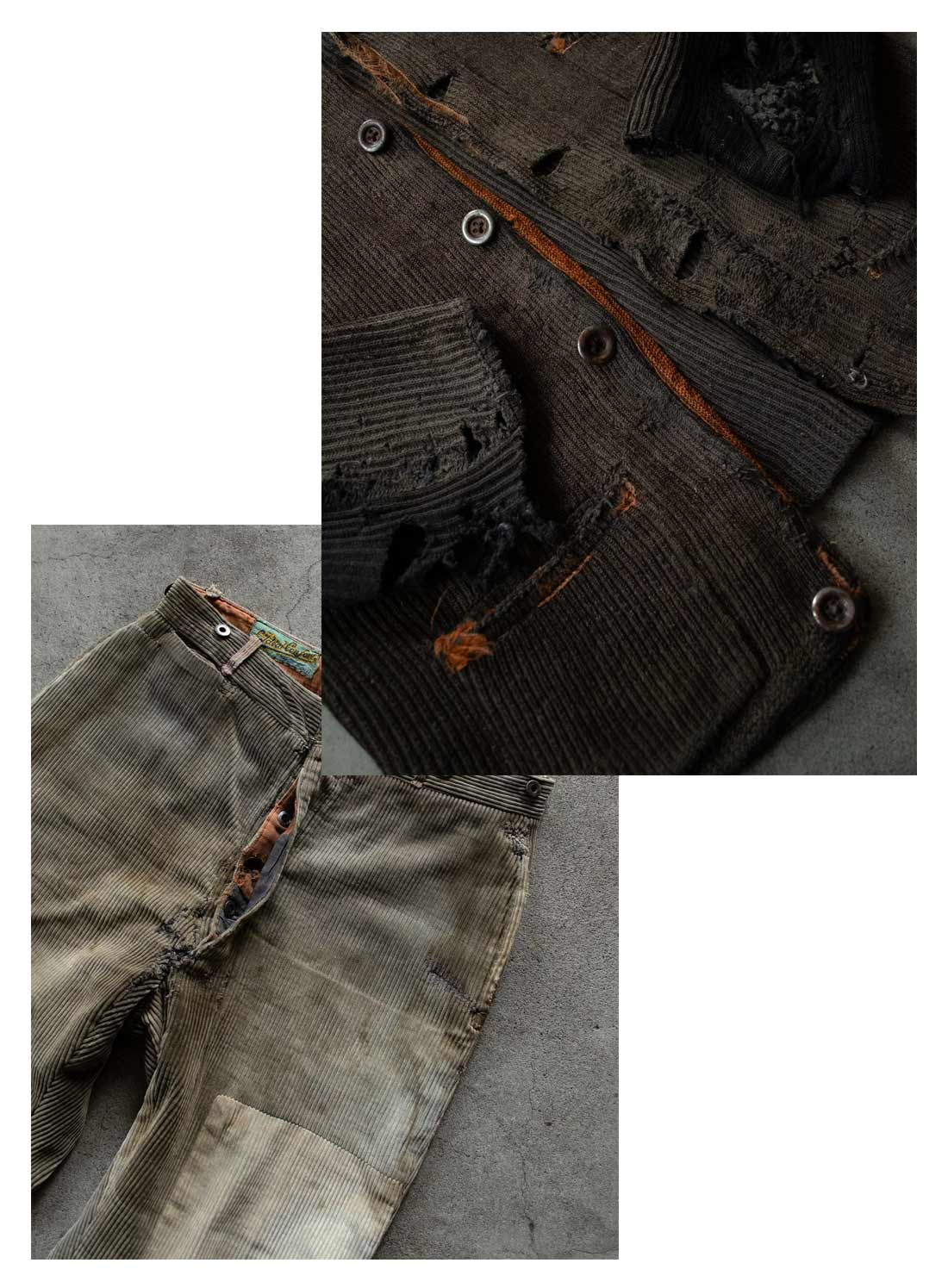
The process is expensive and time-consuming, and even then, it rarely matches the authenticity of the original. Some newer labels, like PROLETA RE ART, come close by producing one-of-one pieces that are distressed, repaired, and reworked to feel convincingly aged.
Still, the consensus remains clear. True vintage holds something that cannot be manufactured. It carries time within it.
As demand grows, prices reflect that reality. Heavily worn vintage pieces now rival luxury retail, with rare items often exceeding $1,000. In a way, the market has come full circle: the most valuable garments are no longer the newest or the cleanest, but the ones that feel the most real.