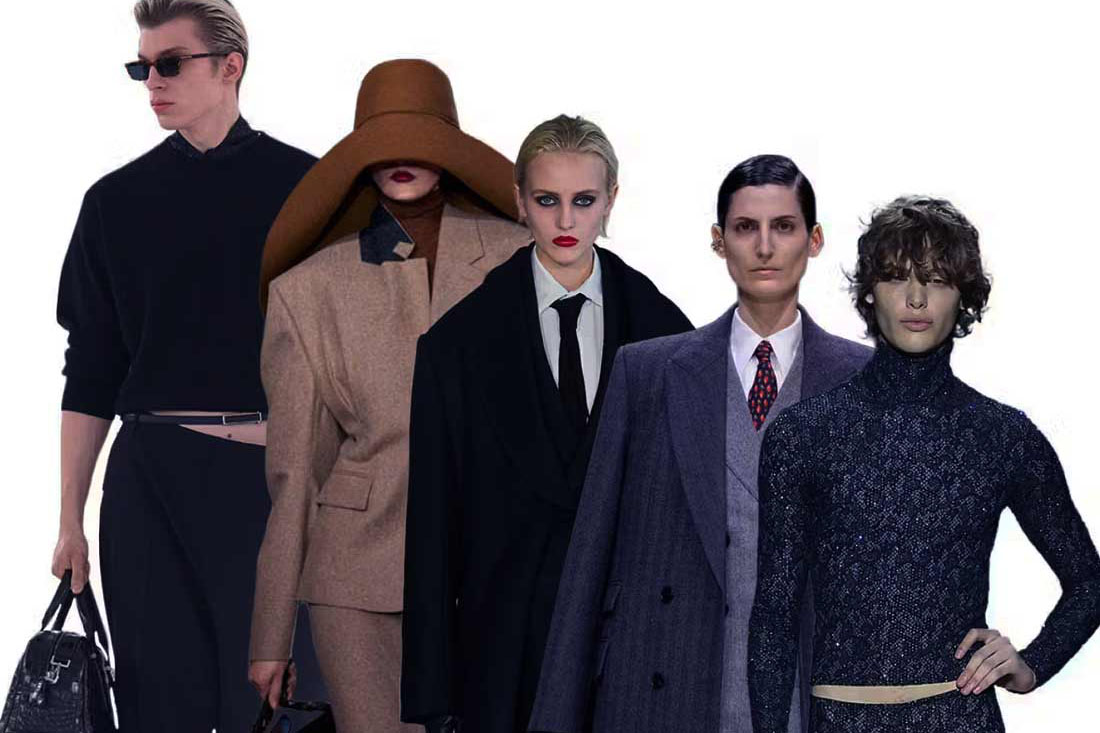
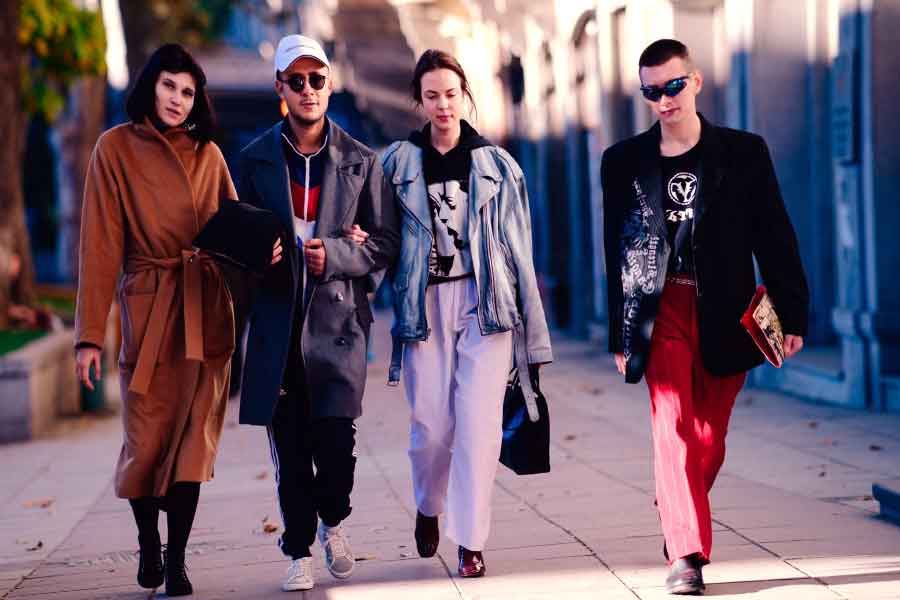
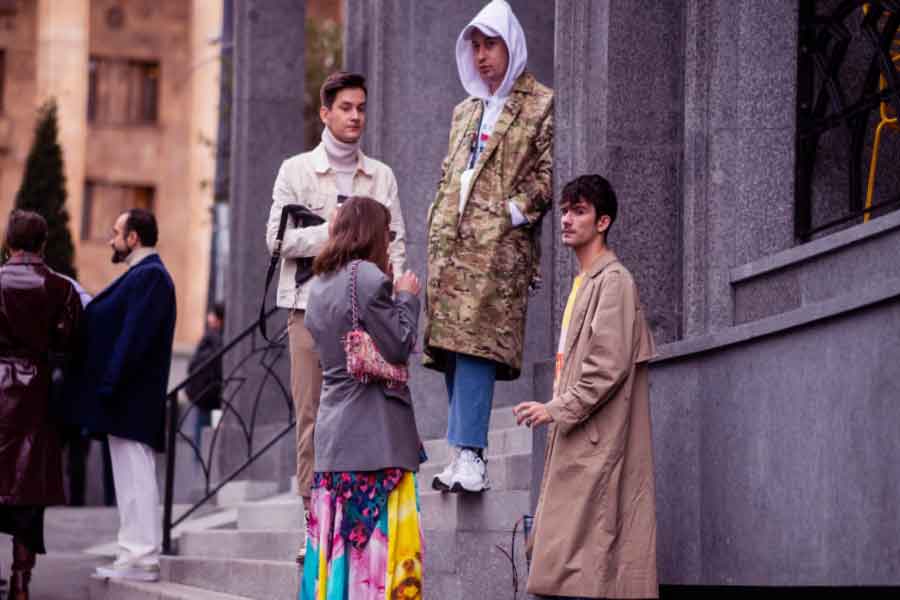
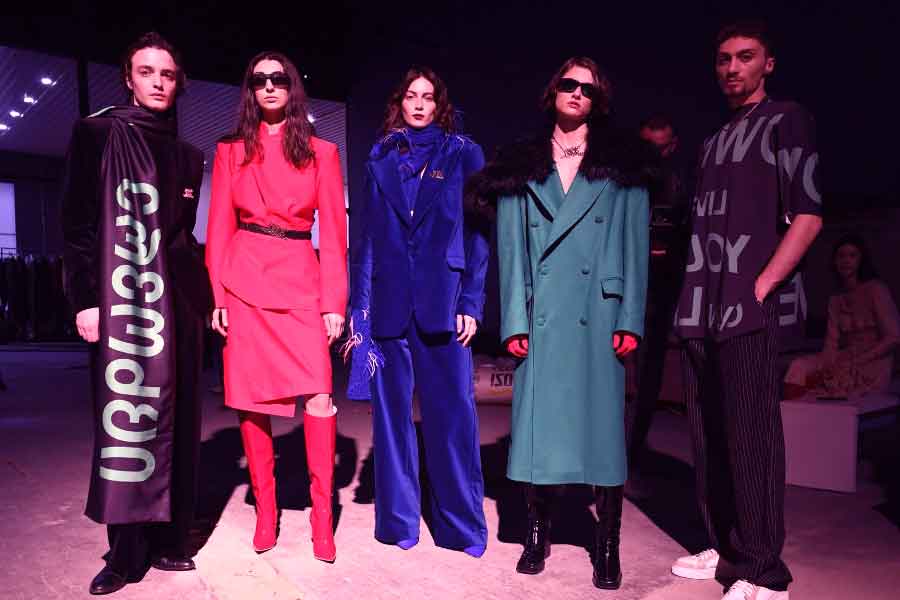
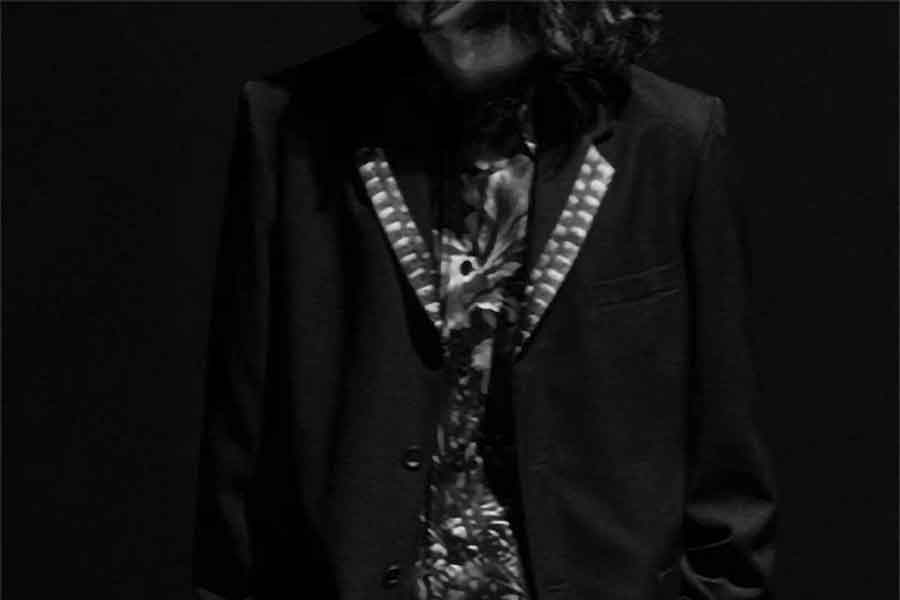
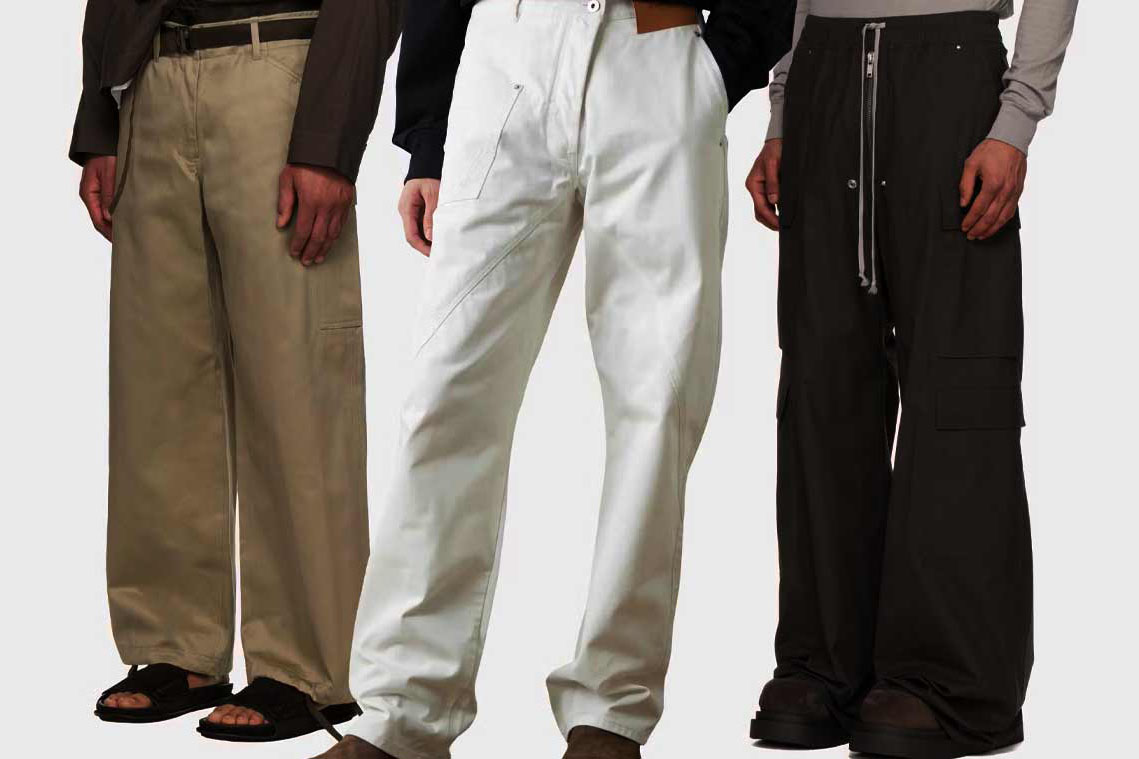
It’s a late afternoon in Tbilisi, and the studio is finally alive. The racks are packed, the team is moving fast, and somewhere between fittings and last-minute adjustments, the energy shifts – someone important just walked in. Not with noise, not with spectacle, but with presence. The kind that doesn’t need introduction.
That’s the thing about Georgia’s new generation of designers. They don’t arrive loudly. But once they’re in the room, everything else reorganizes around them.
Call it confidence. Call it instinct. Or just call it what it is: a scene that knows exactly what it’s doing.
More Than Clothes, It’s Character
We like to talk about brands as if they’re just product – collections, drops, numbers. But the strongest Georgian labels don’t operate like that. Take Situationist, for example. There’s an intensity to it. A sharpness. The kind of energy that feels less like design and more like attitude.
Or Materiel, where structure becomes a language of power. Clean lines, controlled silhouettes, nothing accidental. It doesn’t ask for approval. It assumes it.
This isn’t fashion trying to please. It’s fashion that knows who it is.
Everyone’s Paying Attention Now
Spend five minutes around international buyers or scroll through any major fashion week coverage, and it becomes obvious: people are watching Georgia. Closely.
Brands like Mach & Mach have already crossed into global recognition, turning hyper-feminine fantasy into something commercially undeniable. Crystal heels, bold statements, unapologetic visibility – it works because it commits fully.
And then there’s Dalood, moving in the opposite direction. Quiet, restrained, almost meditative. A reminder that not everything powerful needs to be loud.
Together, they create tension. And that tension is exactly what makes the scene interesting.
Identity Isn’t Optional Here
What sets Tbilisi apart isn’t just aesthetics. It’s honesty.
Many of these designers came up in a space where identity wasn’t fixed – where history, culture, and personal experience constantly collided. That shows in the work. It’s layered. Sometimes contradictory. Always intentional.
Anouki, for instance, leans into play and unpredictability, but underneath the surface there’s control. Precision. Nothing is случайное, even when it looks like it is.
This is fashion shaped by real context, not just trend cycles.
The Pressure of Being Seen
With attention comes expectation. And not everyone handles that easily.
There’s a certain vulnerability in building something visible – especially in a place that hasn’t always had a global platform. But instead of stepping back, Georgian designers seem to lean in.
They speak through their work. About identity. About place. About what it means to exist between systems – cultural, political, aesthetic.
It’s not always comfortable. But it’s real.
A Scene That Feels Like It Matters
We’re living in a moment where a lot of fashion feels disconnected – overproduced, overexplained, over it. And then there’s Tbilisi.
Here, things still feel at stake. The work carries weight. Not because it’s trying to prove something, but because it comes from somewhere specific.
And maybe that’s why people are paying attention.
Not just because it looks good. But because it means something.
Everyone is watching now. And for once, it feels deserved.