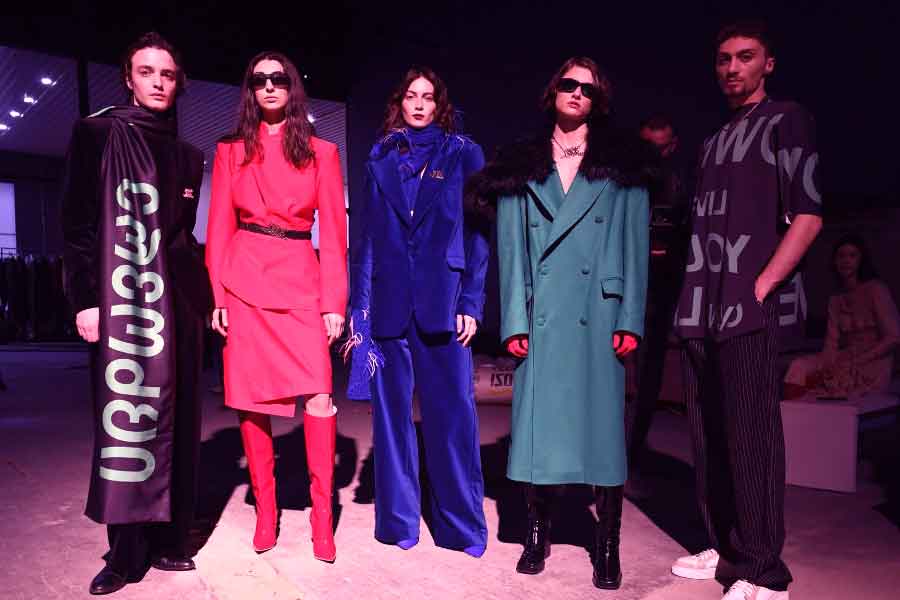
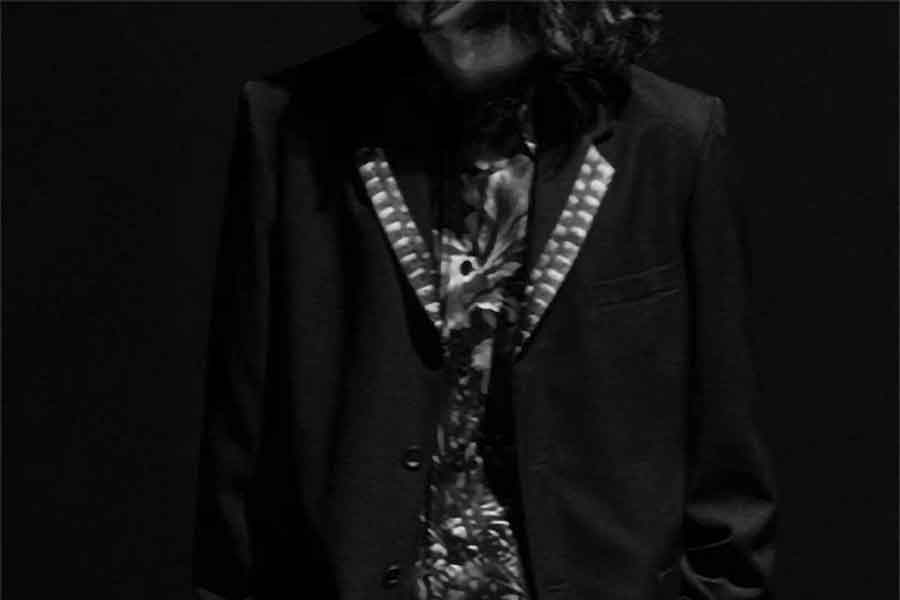
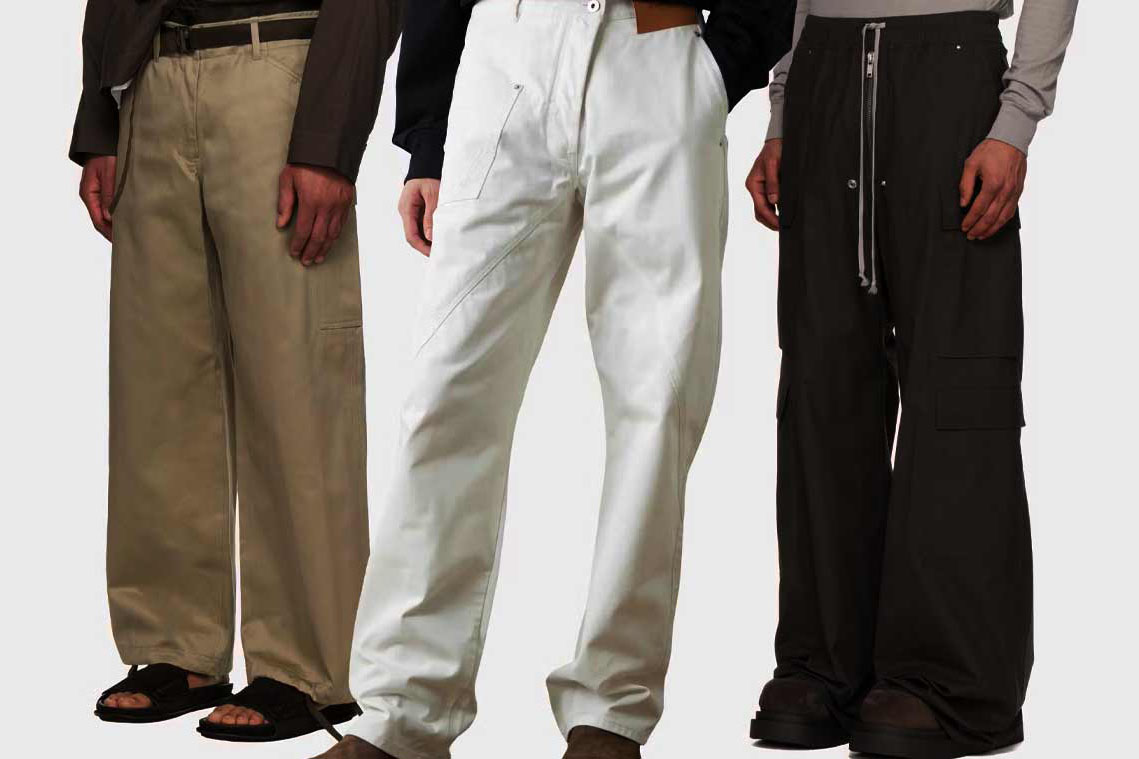
Fashion is no longer operating within clear boundaries of “his” and “hers.” Instead, it’s moving through a more complex space where traditional gender codes are both dissolved and exaggerated at the same time.
Across recent seasons, this shift has become increasingly visible. On runways and red carpets, clothing is less about who it was originally designed for and more about how it is worn. Masculine and feminine elements are being mixed freely, often within a single look.
Designers like Tom Ford, Lanvin, Jean Paul Gaultier, Givenchy, and Gucci are all contributing to this evolving visual language. Some approaches are subtle, others deliberately theatrical.
On one side, there is a normalization of elements once considered gender-specific. High-waisted jeans, crop tops, jewelry, and soft tailoring appear across all wardrobes without much resistance. On the other, there is a heightened embrace of overt codes: bows, lace, sequins, corsetry, sharp tailoring, and dramatic silhouettes.
This duality creates a kind of tension. Fashion feels both more fluid and more defined. The result is not neutrality, but contrast.
Certain references lean into exaggeration. The structured elegance of the Dior Bar Jacket or the classic codes of Chanel are being reinterpreted in ways that feel almost performative. At the same time, collections from Celine and Miu Miu push femininity to an extreme, bordering on satire.
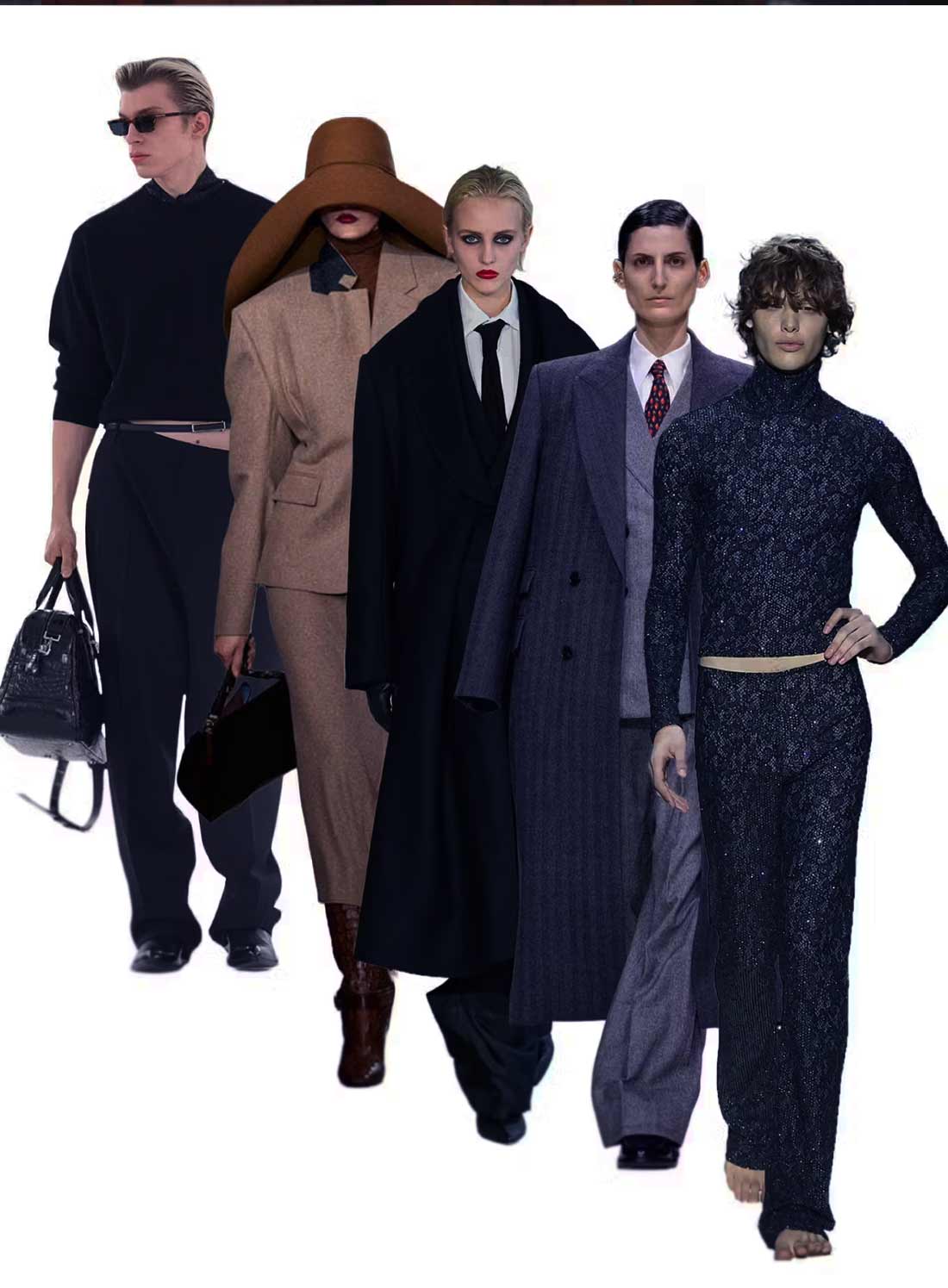
There are also clear cultural signals in how individuals engage with these shifts. Figures like Margot Robbie, Dilara Findikoglu, and Vivienne Westwood bring historical references into contemporary styling, revisiting corsetry and Victorian silhouettes.
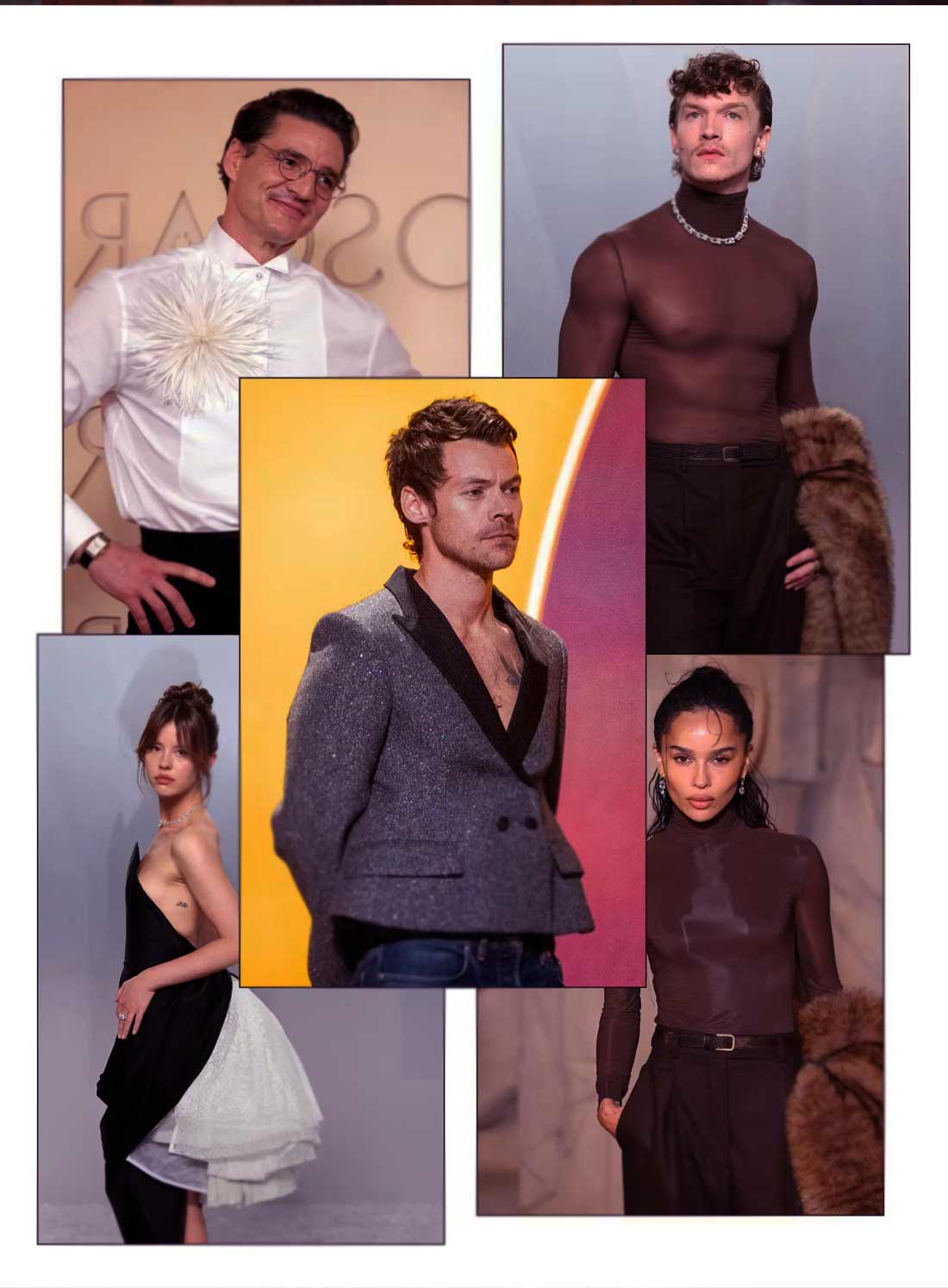
Meanwhile, Jonathan Anderson experiments with proportion and tailoring, reshaping garments to emphasize hips and structure in unexpected ways. This approach appears both on the runway and in celebrity dressing, seen on figures like Mia Goth.
At the same time, styling choices are becoming increasingly interchangeable. Zoë Kravitz and Connor Storrie wearing nearly identical looks from Saint Laurent highlights how clothing is no longer confined to a single identity.
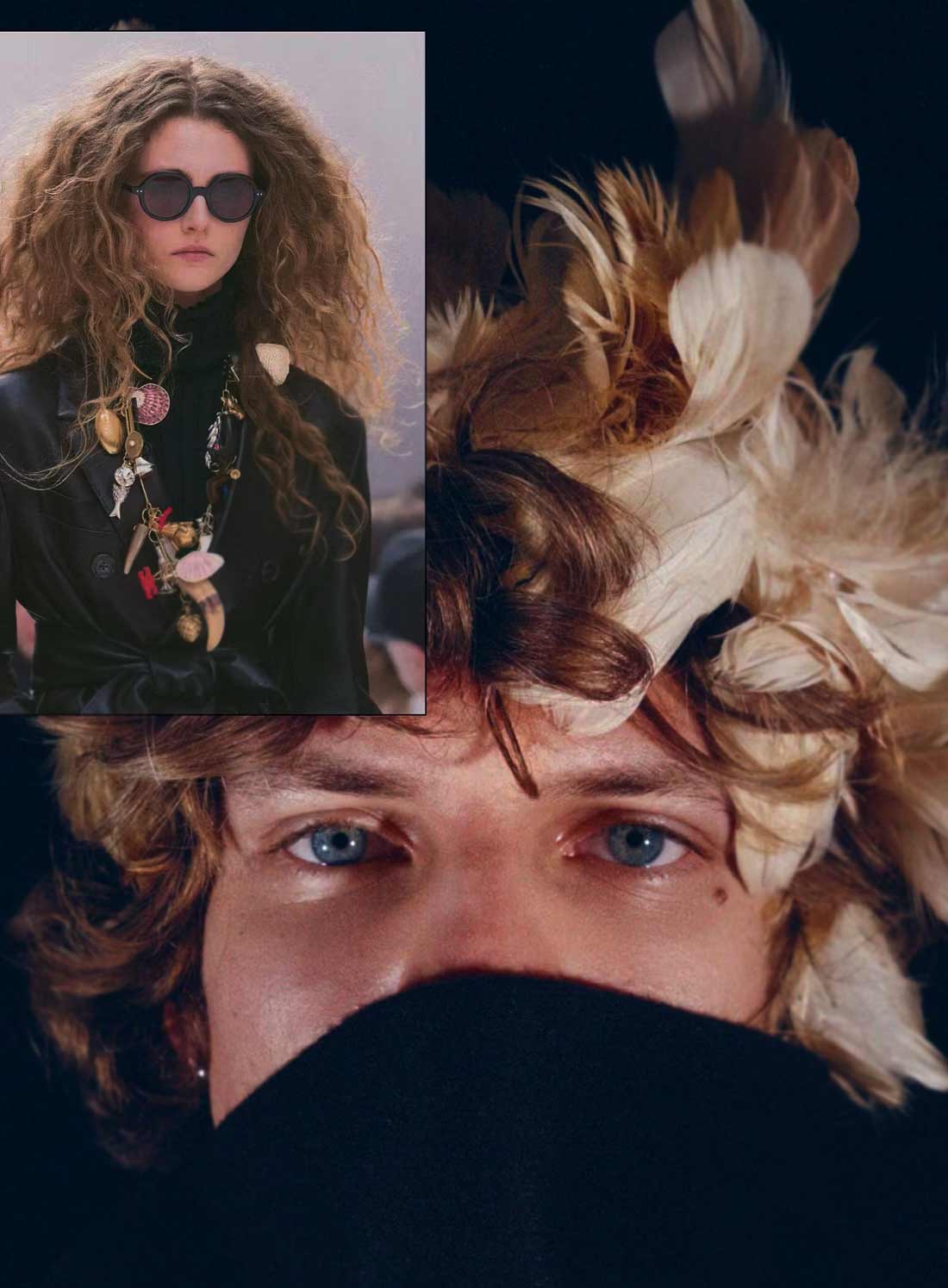
What makes this moment particularly interesting is its contradiction. As fashion moves closer to a post-gender reality, it simultaneously revisits some of the most traditional and exaggerated gendered forms in its history.
This is not a rejection of the past, but a reworking of it. Once the rules are no longer mandatory, they become optional tools. And in that freedom, even the most familiar codes can feel new again.
In the current landscape, gender in fashion is less about definition and more about possibility.